Understanding Caloric Density: 7 Ways to Make Smart Food Choices
When it comes to weight management, one of the key concepts to grasp is that of caloric density. This term refers to the number of calories found in a specific weight of food. Understanding caloric density can aid you in choosing nutrient-rich foods that not only satisfy your hunger but also help you maintain a healthy weight.
1. What is Caloric Density?
Caloric density is a measure that can guide you in making better diet choices. Foods high in caloric density contain more calories in a smaller weight, while those low in caloric density offer fewer calories per unit weight. For example, fatty foods, like nuts and oils, are typically higher in caloric density than fruits and vegetables, which are generally lower.
2. Why It Matters for Weight Management
For anyone looking to manage their weight, understanding caloric density is crucial. By focusing on low-caloric-density foods, you can consume a larger volume of food while still staying within your calorie needs. This can help reduce feelings of hunger and promote satiety.
3. Nutrient-Rich Foods to Consider
When you’re trying to choose foods with low caloric density, prioritize those that are rich in nutrients. Foods like leafy greens, berries, and lean proteins not only energize you but also contribute to your overall health, providing essential vitamins and minerals.
4. Simplifying Your Choices
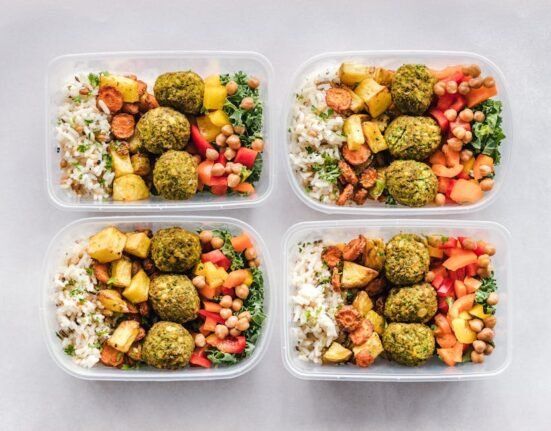
It’s easier to navigate food choices when you have an understanding of caloric density. A simple rule of thumb is to load your plate with foods that are colorful, whole, and minimally processed. This helps ensure you’re getting a good mix of nutrients while managing your calorie intake.
5. Cooking Techniques Matter
How you prepare food can also influence its caloric density. Opt for grilling, steaming, or baking over frying. These methods can keep the caloric content lower while enhancing the natural flavors of the food.
6. The Importance of Portion Control
Not all food is equal in caloric density, so practicing portion control can further assist in your weight management efforts. Measuring servings, especially for high-calorie foods, can prevent you from unintentionally consuming too many calories.
7. Mindful Eating Practices
One way to ensure you’re eating in accordance with your caloric density knowledge is to practice mindful eating. Pay attention to hunger cues, savor each bite, and stop eating when you feel satisfied, not stuffed.
In conclusion, understanding caloric density is an essential tool in your weight management journey. By choosing nutrient-rich foods and being mindful of preparation methods and portion sizes, you can achieve a balanced diet that keeps you satisfied without excessive calorie intake.