

The Ultimate Guide to Understanding Caloric Density
Understanding the concept of caloric density is essential for making healthier food choices. Caloric density refers to the number of calories in a given weight of food. Foods with low caloric density, like fruits and vegetables, provide fewer calories per gram, allowing you to eat larger portions without exceeding your caloric intake.
In contrast, high caloric density foods, such as fried foods and desserts, pack more calories into a smaller volume. By focusing on low-calorie density foods, you can enjoy satisfying meals while managing your weight more effectively.
Why Caloric Density Matters
Caloric density can guide your food selections in several ways. It helps you prioritize nutrient-rich foods over empty-calorie options. When meals have lower caloric density, you can eat larger portions, which can increase fullness and satisfaction. This approach enables weight management without the need to meticulously count every calorie.
How to Identify Caloric Density
To identify whether a food is low or high in caloric density, consider its water and fiber content. Foods like vegetables and fruits are high in water and fiber, making them low in calories. Conversely, low-water foods tend to have higher caloric density. Reading food labels can also help—foods listing lower calories per serving or per 100 grams are typically lower in caloric density.
Practical Tips for Making Healthier Choices
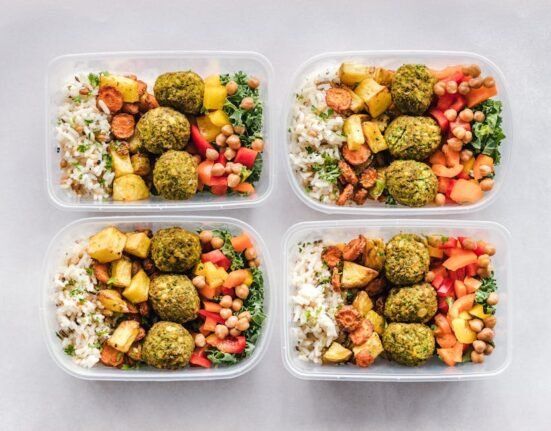
- Fill Your Plate with Vegetables: Make vegetables the star of your meals. They are packed with nutrients and keep you full.
- Choose Whole Foods: Opt for whole grains, lean proteins, and healthy fats, which are generally lower in caloric density compared to processed foods.
- Prioritize Protein: Include lean protein sources that help with satiety, keeping you fuller for longer.
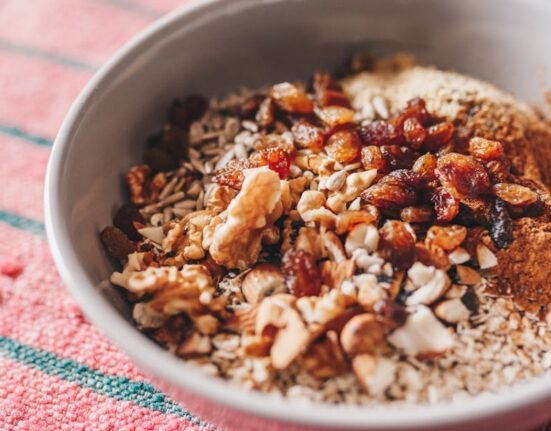
- Be Mindful of High-Calorie Items: Limit foods like oils, nuts, and snacks that are high in calories but low in volume.
Conclusion
Understanding caloric density empowers you to make healthier food choices without the stress of calorie counting. By focusing on foods that provide more nutrition and volume for fewer calories, you can enjoy a satisfying diet that supports your health goals. Embrace the concept of caloric density and watch how it transforms your eating habits!




Leave feedback about this