

The Science-Backed Guide to Crafting a Sustainable Weight Loss Diet That Actually Works
In a world flooded with fad diets and quick fixes, the pursuit of weight loss can feel like navigating a minefield. Many diets promise rapid results, only to leave individuals frustrated, unhealthy, and often heavier than when they started. The truth is, lasting weight loss isn’t about deprivation or extreme measures; it’s about understanding the science and building a sustainable weight loss diet that aligns with your body’s needs and your lifestyle.
This comprehensive guide will cut through the noise, providing you with science-backed strategies to create a diet plan that not only helps you lose weight but also supports your overall health and well-being for the long term. Let’s explore how to make weight loss a journey of empowerment, not punishment.
Why Most Diets Fail: The Pitfalls of Unsustainability
Before diving into what works, it’s crucial to understand why so many conventional diets fall short. They often share common characteristics that undermine long-term success:
- Extreme Restriction: Severely cutting calories or entirely eliminating food groups leads to nutrient deficiencies, cravings, and an unhealthy relationship with food.
- Lack of Flexibility: Rigid meal plans leave no room for social events, personal preferences, or life’s inevitable curveballs, making adherence nearly impossible.
- Ignoring Lifestyle Factors: Most diets focus solely on food, neglecting the critical roles of sleep, stress, hydration, and physical activity in weight management.
- Focus on Short-Term Fixes: The emphasis is often on rapid weight loss, which can lead to muscle loss and a slowed metabolism, making weight regain almost inevitable once the diet ends.
- Lack of Education: Many diets don’t teach individuals about nutrition or how to make informed food choices, leaving them ill-equipped for maintenance.
The solution lies in creating a sustainable weight loss diet built on principles that promote health, enjoyment, and consistency.
The Core Science-Backed Principles of a Sustainable Weight Loss Diet
1. Caloric Deficit (But Not Extreme)
At its most fundamental level, weight loss occurs when you consistently consume fewer calories than your body expends. This is known as a caloric deficit. However, the key to sustainability is moderation. A modest deficit (e.g., 300-500 calories per day) allows for steady weight loss (1-2 pounds per week) without triggering extreme hunger, metabolic slowdown, or nutrient deficiencies.
How to implement: Use an online calculator to estimate your Total Daily Energy Expenditure (TDEE) and then subtract 300-500 calories to find your target intake. Track your food intake for a few days to get an accurate baseline.
2. Prioritize Nutrient Density and Whole Foods
Not all calories are created equal. 200 calories from a candy bar have a vastly different impact on your body than 200 calories from an apple or chicken breast. A sustainable weight loss diet emphasizes nutrient-dense, whole foods that provide vitamins, minerals, fiber, and protein without excessive calories.
- Lean Proteins: Essential for satiety, muscle preservation, and a higher thermic effect of food (meaning your body burns more calories digesting protein). Include chicken, turkey, fish, eggs, legumes, and tofu.
- Fiber-Rich Carbohydrates: Found in fruits, vegetables, whole grains, and legumes, fiber promotes satiety, aids digestion, and helps stabilize blood sugar levels.
- Healthy Fats: Crucial for hormone production, nutrient absorption, and satiety. Include avocados, nuts, seeds, olive oil, and fatty fish.
3. Macronutrient Balance and Personalization
While general guidelines exist, the optimal macronutrient ratio (protein, carbs, fats) can vary based on individual activity levels, genetics, and preferences. A balanced approach typically involves adequate protein (around 0.7-1.0g per pound of target body weight), moderate carbohydrates, and healthy fats. Experiment to find what makes you feel best and helps you adhere to your diet.
Personalization is key: Some thrive on slightly higher carb intake, others on slightly higher fat. Listen to your body and adjust accordingly.
4. Hydration is Non-Negotiable
Often overlooked, adequate water intake is vital for weight loss and overall health. Water aids metabolism, helps with satiety (sometimes thirst is mistaken for hunger), and supports proper bodily functions. Aim for at least 8 glasses of water per day, and more if you’re active.
5. The Power of Mindful Eating
Mindful eating means paying attention to your food—its taste, texture, and the signals your body sends. Eating slowly, without distractions, and recognizing true hunger and fullness cues can prevent overeating and improve digestion. This practice fosters a healthier relationship with food, moving away from emotional eating or restrictive cycles.
Crafting Your Sustainable Weight Loss Diet: Actionable Steps
1. Assess Your Current Habits and Goals
Start by honestly evaluating your current eating patterns, lifestyle, and your ‘why’ for wanting to lose weight. What are your biggest dietary challenges? What kind of foods do you genuinely enjoy? Set realistic, achievable goals that focus on health improvements, not just a number on the scale.
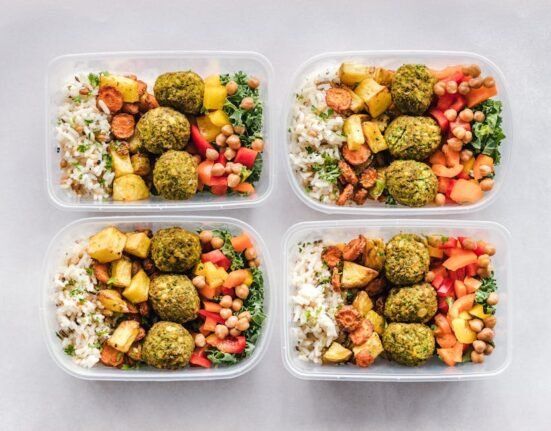
2. Plan and Prep Your Meals
Failing to plan is planning to fail, especially with a sustainable weight loss diet. Dedicate time each week to plan your meals and snacks. This can involve:
- Creating a grocery list based on your meal plan.
- Batch cooking staple items (e.g., grilled chicken, roasted vegetables, quinoa).
- Portioning out snacks to avoid overeating.
Having healthy options readily available dramatically reduces the likelihood of reaching for less nutritious choices when hunger strikes.
3. Master Portion Control
Even healthy foods can lead to weight gain if consumed in excess. Learn what appropriate portion sizes look like for different food groups. Use smaller plates, measuring cups, and food scales initially to develop an accurate understanding. Over time, you’ll be able to eyeball portions more effectively.
4. Embrace Flexibility, Not Perfection
A truly sustainable weight loss diet acknowledges that life happens. There will be birthday parties, holidays, and times when you can’t stick to your plan perfectly. Instead of giving up entirely after a slip-up, practice the 80/20 rule: aim for healthy eating 80% of the time, allowing for occasional treats or deviations 20% of the time. This prevents feelings of deprivation and makes the diet enjoyable and manageable.
5. Incorporate Physical Activity
While diet is paramount for weight loss, physical activity complements it beautifully. Regular exercise (a mix of cardiovascular and strength training) helps burn calories, preserve muscle mass during weight loss, improve metabolism, and boost mood. Find activities you genuinely enjoy to ensure consistency.
6. Manage Stress and Prioritize Sleep
Chronic stress can elevate cortisol levels, promoting fat storage, especially around the abdomen. Lack of sleep disrupts hunger-regulating hormones (ghrelin and leptin), leading to increased appetite and cravings. Prioritizing stress reduction techniques (meditation, yoga, hobbies) and aiming for 7-9 hours of quality sleep per night are crucial components of a holistic and sustainable weight loss diet strategy.
Long-Term Success: Building Habits and Patience
Remember, weight loss is not a race; it’s a marathon. Building a sustainable weight loss diet is about cultivating new habits that will serve you for a lifetime. Be patient with yourself, celebrate small victories, and don’t get discouraged by plateaus or setbacks. Consistency, not perfection, is the ultimate key to achieving and maintaining your health goals.
If you find yourself struggling, consider consulting with a registered dietitian or a certified nutritionist. They can provide personalized guidance, help you identify specific nutritional needs, and support you in crafting a truly effective and enjoyable diet plan.
Conclusion
Crafting a sustainable weight loss diet that actually works isn’t about following a rigid, temporary plan. It’s about adopting a science-backed approach that prioritizes nutrient-dense whole foods, mindful eating, adequate hydration, and a balanced lifestyle. By focusing on consistency, flexibility, and a deep understanding of your body’s needs, you can achieve lasting weight loss, improve your health, and cultivate a positive relationship with food that empowers you for years to come. Start today by making small, consistent changes that will lead to big results.




Leave feedback about this