
Mastering Gut Health: Your Comprehensive Guide to Probiotic-Rich Foods & Drinks
In the quest for optimal health, one area is gaining increasing attention: our gut. Often referred to as our “second brain,” a healthy gut microbiome plays a pivotal role in far more than just digestion. It influences our immune system, mood, energy levels, and even skin health. At the heart of a thriving gut are probiotics – beneficial live microorganisms that, when consumed in adequate amounts, confer a health benefit on the host.
This comprehensive guide will demystify gut health, explain the crucial role of probiotics, and introduce you to a delicious array of probiotic-rich foods and drinks you can easily incorporate into your daily diet. Get ready to nourish your microbiome and unlock a world of enhanced well-being!
Understanding Gut Health: More Than Just Digestion
Your gut is home to trillions of microorganisms, including bacteria, viruses, fungi, and other microbes, collectively known as the gut microbiome. This intricate ecosystem is unique to each individual and has a profound impact on almost every bodily function. When the balance of “good” and “bad” bacteria is disturbed (a state called dysbiosis), it can lead to various health issues, from digestive discomfort and inflammation to weakened immunity and even mental health challenges.
A balanced gut microbiome aids in nutrient absorption, synthesizes vitamins, helps metabolize drugs, and even communicates with your brain through the gut-brain axis, influencing mood and cognitive function.
The Power of Probiotics: Essential Allies for Your Microbiome
Probiotics are live bacteria and yeasts that are good for your health, especially your digestive system. They are often called “good” or “friendly” bacteria because they help keep your gut healthy. When you consume probiotics, they join the ranks of your existing beneficial gut bacteria, helping to maintain balance and perform vital functions.
Their benefits include improving digestion, enhancing nutrient absorption, strengthening the immune system, reducing inflammation, and potentially alleviating symptoms of conditions like irritable bowel syndrome (IBS) and certain types of diarrhea. They work by competing with harmful bacteria, producing beneficial short-chain fatty acids, and modulating the immune response.
Top Probiotic-Rich Foods to Cultivate Your Gut
Integrating a variety of fermented foods into your diet is a fantastic way to boost your probiotic intake naturally.
Yogurt
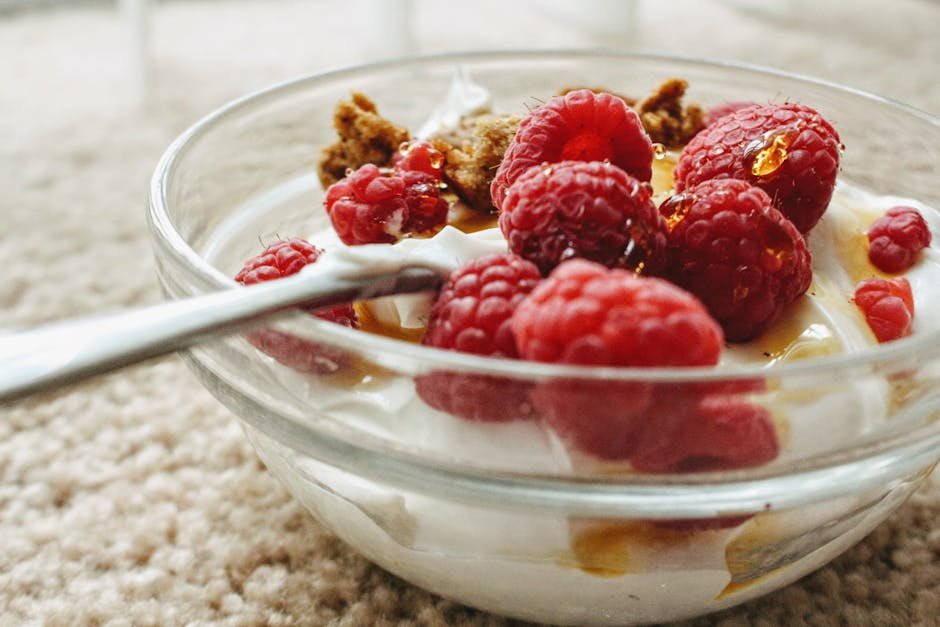
Perhaps the most well-known probiotic food, yogurt is made by fermenting milk with live bacterial cultures, typically Lactobacillus bulgaricus and Streptococcus thermophilus. Look for yogurts that specify “live and active cultures” on the label and avoid those with excessive added sugars or artificial ingredients.
Kefir
This fermented milk drink is similar to yogurt but typically contains a wider and more diverse range of probiotic strains, as well as yeasts. Kefir grains, a combination of bacteria and yeasts, ferment the milk, resulting in a tangy, slightly effervescent beverage. It’s an excellent source of calcium, protein, and B vitamins.
Sauerkraut
A traditional German dish made from fermented cabbage, sauerkraut is packed with beneficial bacteria. Ensure you choose raw, unpasteurized sauerkraut, as heat processing can destroy the live cultures. It’s also rich in fiber, vitamin C, and vitamin K.
Kimchi
A staple in Korean cuisine, kimchi is a spicy, fermented vegetable dish, most commonly made with napa cabbage and various seasonings like chili powder, garlic, ginger, and scallions. Like sauerkraut, look for unpasteurized versions to reap its probiotic benefits.
Miso
This traditional Japanese seasoning is a paste made from fermented soybeans, often with rice or barley. Miso is a key ingredient in miso soup and adds a rich, umami flavor to dressings, marinades, and glazes. It’s a source of beneficial bacteria and essential minerals.
Tempeh
Originating from Indonesia, tempeh is a fermented soybean product that forms a firm, cake-like texture. It’s a popular plant-based protein source and provides a good amount of probiotics, along with fiber and protein. It can be grilled, fried, or baked.
Fermented Pickles
Not all pickles are probiotic! Look for pickles that have been naturally fermented in a brine solution (water and salt) and are not made with vinegar. Check labels for “live cultures” or “naturally fermented” and ensure they are kept refrigerated, as this indicates they haven’t been pasteurized.
Sip Your Way to Better Gut Health: Probiotic Drinks
Beyond food, several beverages offer a refreshing way to boost your gut health.
Kombucha
This trendy, fizzy drink is a fermented tea (black or green) made with a SCOBY (Symbiotic Culture Of Bacteria and Yeast). Kombucha is known for its refreshing taste and contains various organic acids, antioxidants, and a good dose of probiotics. Choose low-sugar varieties.
Kvass
Traditionally a Russian and Eastern European fermented beverage made from rye bread, kvass can also be made from beets. It has a slightly sour, earthy taste and is a good source of probiotics. Beet kvass, in particular, is also rich in nitrates, which can support cardiovascular health.
Apple Cider Vinegar (ACV)
While not strictly a probiotic food in the same way as fermented dairy or vegetables, raw, unfiltered ACV with “the mother” (strands of proteins, enzymes, and friendly bacteria) contains beneficial bacteria and enzymes. It can help balance gut pH and support digestive health. Dilute it with water before consuming.
Smart Strategies for Incorporating Probiotics Daily
Ready to make probiotics a regular part of your diet? Here are some tips:
- Start Small: If you’re new to fermented foods, introduce them gradually to allow your digestive system to adjust.
- Variety is Key: Different fermented foods contain different strains of probiotics. Eating a diverse range will provide a broader spectrum of benefits.
- Read Labels: Always check for “live and active cultures” or “unpasteurized” to ensure the probiotics haven’t been destroyed by heat.
- Add to Meals: Stir yogurt into smoothies, top salads with sauerkraut, add kimchi to stir-fries, or enjoy a glass of kefir or kombucha with your meals.
Beyond Probiotics: A Holistic Approach to Gut Wellness
While probiotics are fantastic, a truly healthy gut involves a holistic approach:
- Prebiotics: These are non-digestible fibers that act as food for your gut bacteria, helping them thrive. Excellent sources include garlic, onions, leeks, asparagus, bananas, oats, and apples.
- Fiber: A high-fiber diet, rich in fruits, vegetables, and whole grains, promotes regular bowel movements and provides essential fuel for your gut microbes.
- Hydration: Drinking plenty of water is crucial for digestive health, helping to move food through your system and preventing constipation.
- Stress Management: The gut-brain axis means stress directly impacts gut health. Practices like meditation, yoga, and mindfulness can make a big difference.
- Quality Sleep: Adequate and restful sleep supports overall health, including the delicate balance of your gut microbiome.
- Limit Processed Foods & Sugar: These can feed harmful bacteria and contribute to gut imbalance.
Conclusion
Mastering gut health is a journey, not a destination, and integrating probiotic-rich foods and drinks is a powerful step towards a healthier, happier you. By nurturing your gut microbiome with these beneficial bacteria, you’re not just supporting digestion – you’re building a stronger immune system, improving your mood, and enhancing your overall vitality. Start experimenting with these delicious options today and experience the transformative power of a balanced gut!




Leave feedback about this