

The Mediterranean Diet Blueprint: Your Beginner’s Guide to Healthy Eating for Life
In a world overflowing with diet trends, one eating pattern consistently stands out for its proven health benefits, delicious flavors, and sustainable approach: the Mediterranean Diet. Far from being a restrictive fad, it’s a lifestyle rooted in the traditional eating habits of countries bordering the Mediterranean Sea, offering a delicious and achievable pathway to lasting wellness. If you’re looking to transform your eating habits and embrace a vibrant, healthier life, this comprehensive guide is your blueprint to understanding and adopting the Mediterranean Diet.
This guide will demystify the core principles of this acclaimed diet, highlight its incredible health advantages, and provide actionable steps to seamlessly integrate its wisdom into your daily routine, empowering you to make healthy eating a joy, not a chore.
What is the Mediterranean Diet? Understanding Its Core Principles
The Mediterranean Diet isn’t just about food; it’s a cultural tapestry woven from centuries of traditional eating patterns observed in countries like Greece, Italy, and Spain. It emphasizes whole, unprocessed foods, seasonal ingredients, and a communal approach to meals.
Key Pillars of the Mediterranean Diet:
- Abundant Plant-Based Foods: Focus on fruits, vegetables, whole grains, legumes, nuts, and seeds as the foundation of every meal.
- Healthy Fats: Extra virgin olive oil is the primary source of fat, used generously for cooking, dressings, and dips.
- Fish and Seafood: Consumed regularly, typically a few times per week, as a lean protein source.
- Poultry, Eggs, and Dairy: Eaten in moderation, less frequently than fish.
- Red Meat: Limited to a few times per month, treated as an occasional indulgence.
- Herbs and Spices: Used extensively to flavor food, reducing the need for salt.
- Water: The primary beverage.
- Red Wine: Consumed in moderation with meals, for those who drink alcohol.
- Social Eating and Activity: Beyond the plate, the lifestyle encourages physical activity, sharing meals with loved ones, and savoring food.
The Abundant Health Benefits of the Mediterranean Diet
Extensive research has consistently linked the Mediterranean Diet to a remarkable array of health benefits, making it one of the most recommended eating patterns by health professionals worldwide.
- Cardiovascular Health: Its emphasis on healthy fats, fiber, and lean protein significantly reduces the risk of heart disease, stroke, and lowers bad (LDL) cholesterol levels.
- Weight Management: Rich in fiber and nutrient-dense foods, it promotes satiety, helping with sustainable weight loss and maintenance without calorie counting.
- Brain Health: Studies suggest it can reduce the risk of cognitive decline, Alzheimer’s, and Parkinson’s disease due to its anti-inflammatory and antioxidant properties.
- Reduced Risk of Chronic Diseases: It’s associated with a lower risk of type 2 diabetes, certain cancers, and metabolic syndrome.
- Anti-Inflammatory Properties: The diet’s abundance of antioxidants and omega-3 fatty acids helps combat chronic inflammation, a root cause of many diseases.
- Longevity: Many regions adhering to this diet are known as “Blue Zones,” areas where people live longer, healthier lives.
Building Your Mediterranean Plate: Foods to Embrace
Understanding which foods fit into the Mediterranean Diet is key to starting your journey. Think fresh, colorful, and whole!
Daily Staples (Eat Abundantly)
- Vegetables: Spinach, kale, broccoli, bell peppers, tomatoes, cucumbers, onions, eggplant, zucchini – fresh or frozen.
- Fruits: Apples, oranges, berries, grapes, figs, peaches, melons – fresh, dried, or frozen.
- Whole Grains: Whole wheat bread, pasta, brown rice, oats, quinoa, farro, barley.
- Legumes: Lentils, chickpeas, beans (kidney, black, cannellini).
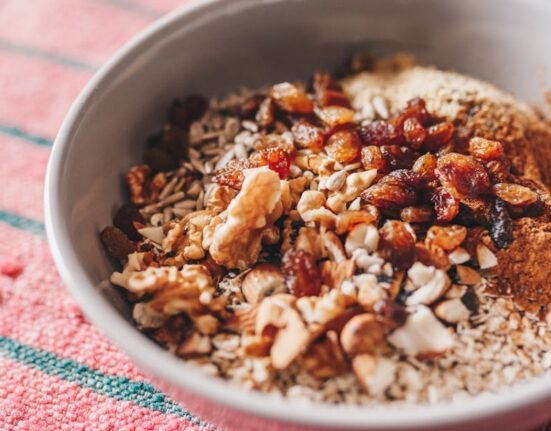
- Nuts and Seeds: Almonds, walnuts, pistachios, cashews, sunflower seeds, pumpkin seeds, chia seeds, flax seeds.
- Healthy Fats: Extra virgin olive oil, olives, avocados.
- Herbs and Spices: Basil, oregano, thyme, rosemary, parsley, garlic, pepper.
Weekly Enjoyments (Eat in Moderation)
- Fish and Seafood: Salmon, tuna, mackerel, sardines, shrimp, mussels, cod. Aim for 2-3 servings per week.
- Poultry: Chicken, turkey.
- Dairy: Greek yogurt, cheese (feta, mozzarella, halloumi) – opt for low-fat or full-fat in moderation.
- Eggs: A few times per week.
In Moderation (Eat Occasionally)
- Red Meat: Beef, lamb, pork. Limit to a few times a month.
- Sweets: Honey-sweetened desserts, fresh fruit, or small portions of traditional pastries.
Practical Tips for Starting Your Mediterranean Journey
Transitioning to a new eating pattern can feel overwhelming, but the Mediterranean Diet is incredibly adaptable. Here are practical steps to get started:
- Stock Your Pantry: Fill your kitchen with olive oil, whole grains, canned beans, lentils, nuts, seeds, and plenty of fresh produce.
- Embrace Produce: Make fruits and vegetables the star of every meal. Aim for half your plate to be colorful produce.
- Switch to Whole Grains: Replace refined grains (white bread, pasta) with whole-grain alternatives.
- Prioritize Healthy Fats: Cook with extra virgin olive oil, drizzle it on salads, and snack on olives and avocados.
- Eat More Fish: Incorporate fatty fish like salmon or sardines into your weekly meals.
- Reduce Red Meat: Cut back on red meat by opting for plant-based meals, poultry, or fish more often.
- Snack Smart: Choose nuts, seeds, fruit, or vegetable sticks with hummus.
- Cook at Home: Prepare more meals at home to control ingredients and portion sizes.
- Flavor with Herbs and Spices: Experiment with a variety of fresh and dried herbs to add depth to your dishes without relying on salt.
- Stay Hydrated: Drink plenty of water throughout the day.
- Mindful Eating: Slow down, savor your meals, and enjoy eating with others.
Sample Mediterranean Meal Plan for a Day
Here’s an example of what a day following the Mediterranean Diet might look like:
- Breakfast: Greek yogurt with berries, a drizzle of honey, and a sprinkle of walnuts.
- Lunch: Large salad with mixed greens, tomatoes, cucumbers, olives, chickpeas, feta cheese, and grilled salmon, dressed with olive oil and lemon.
- Snack: Apple slices with a handful of almonds.
- Dinner: Whole wheat pasta with a rich tomato sauce (made with fresh tomatoes, garlic, basil, and olive oil), plenty of sautéed vegetables (zucchini, bell peppers), and a side of whole-grain crusty bread for dipping in olive oil.
Common Misconceptions About the Mediterranean Diet
It’s easy to misunderstand any new diet, but clarity helps. Let’s bust a few myths:
- It’s Not Just Pasta and Wine: While these can be part of the diet, they are not its foundation. The emphasis is on vegetables, fruits, whole grains, and healthy fats.
- It’s Not a Low-Fat Diet: Healthy fats, particularly olive oil, are central and encouraged for their health benefits.
- It’s Not Exclusively Vegetarian: While plant-based, it includes fish, poultry, and some dairy, just in moderation.
- It’s Not Expensive: Focusing on seasonal produce, legumes, and whole grains can be very budget-friendly, especially when reducing expensive red meat.
The Mediterranean Lifestyle: Beyond Just Food
To truly embrace the Mediterranean Diet is to adopt a Mediterranean lifestyle. This means:
- Regular Physical Activity: Daily movement, whether it’s walking, gardening, or dancing, is an integral part.
- Social Connection: Sharing meals with family and friends enhances the dining experience and promotes well-being.
- Savoring Meals: Eating slowly, enjoying each bite, and appreciating the food you consume.
- Rest and Relaxation: Finding balance and managing stress.
Conclusion: Embrace a Lifestyle of Wellness
The Mediterranean Diet is more than just a diet; it’s a sustainable, enjoyable, and profoundly healthy way of life. By focusing on whole, unprocessed foods, healthy fats, and a balanced approach to eating and living, you can unlock a wealth of health benefits and cultivate a deeper, more satisfying relationship with food. This blueprint offers you a clear path to begin your journey, empowering you to make choices that nourish your body, mind, and spirit for a lifetime of vibrant health. Start today, and discover the transformative power of the Mediterranean Diet.





Leave feedback about this