

10 Ways to Understand Caloric Density for Weight Management
In the quest for effective weight management, understanding caloric density can be a game-changer. Caloric density refers to the number of calories in a given volume of food. This article delves into the concept of caloric density, illustrating how it influences food choices and weight management strategies.
1. What is Caloric Density?
Caloric density is calculated by dividing the number of calories in a food by its weight or volume. Foods with low caloric density have fewer calories per gram, while those with high caloric density provide more calories in the same amount. This understanding helps you make informed decisions about what to eat.
2. Foods with Low Caloric Density
Fruits, vegetables, and whole grains typically offer lower caloric density. For instance, a cup of strawberries contains only about 50 calories, making them a perfect snack for those monitoring their weight. Incorporating these foods into your diet allows for larger portions while significantly reducing caloric intake.
3. High-Caloric Density Foods to Watch Out For
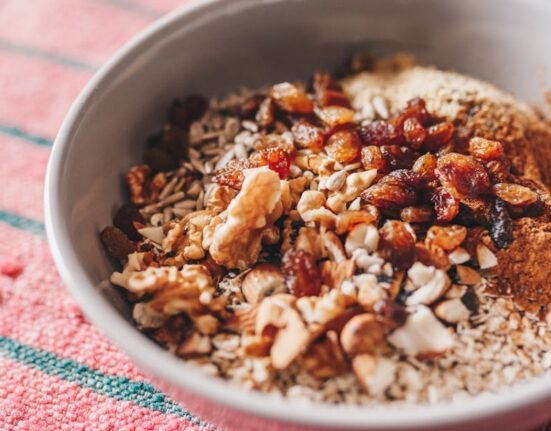
On the other hand, processed snacks, fried foods, and sugary treats tend to have a higher caloric density. For example, a small handful of nuts can pack around 200 calories, which can add up quickly without filling you. Being mindful of these foods can help curb unnecessary caloric consumption.
4. Portion Control and Caloric Density
Understanding caloric density can also enhance portion control. By choosing foods with low caloric density, you can fill your plate and satisfy your hunger while keeping your calorie intake in check. This technique is particularly useful when dining out or during large meals.
5. Balancing Nutrient Intake
Another benefit of focusing on caloric density is the ability to balance nutrient intake. Low caloric density foods such as vegetables pack essential vitamins and minerals without adding excessive calories. This strategy can promote overall health while aiding in weight management.
6. Mindful Eating Tips
When applying caloric density principles, practicing mindful eating is crucial. Take time to savor each bite, which can enhance your satisfaction with meals and reduce the likelihood of overeating.
7. Tracking Your Intake
Consider keeping a food diary to monitor your caloric intake concerning caloric density. Analyzing your food choices helps identify patterns and areas for improvement, empowering you to make better food decisions.
8. Cooking Methods Matter
The way you prepare your food affects its caloric density. Baking, steaming, or grilling food often maintains lower caloric density compared to frying. Choosing healthier cooking methods can support your weight management goals.
9. Combining Foods Smartly
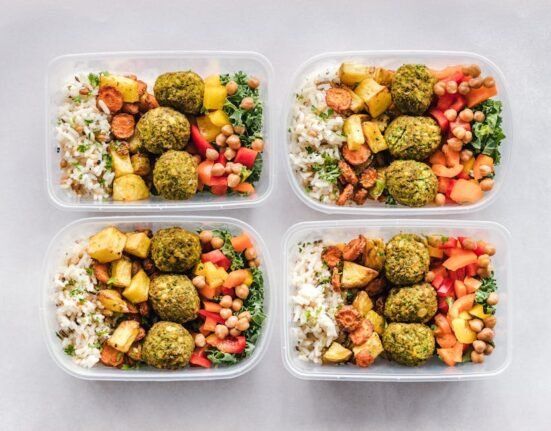
Strategically combining high and low caloric density foods can help create satisfying meals. For instance, pairing a high-caloric density protein with a low-caloric density vegetable can balance your meal, offering taste and nutritional value.
10. The Importance of Hydration
Sometimes hunger may actually be thirst. Staying well-hydrated helps your body function optimally and can prevent unnecessary snacking on high-caloric density foods. Aim for adequate water intake throughout the day.
Conclusion
Understanding caloric density is essential for effective weight management. By making smarter food choices based on caloric density, you can enhance your dietary habits, achieve your weight goals, and maintain a healthier lifestyle. Start incorporating these principles today to see a positive change in your eating patterns!



Leave feedback about this